
Buying a Cape Cod Home? An Inspector's Checklist for Bourne and Beyond
By Alan Sanders · November 7, 2026 · 5 min read
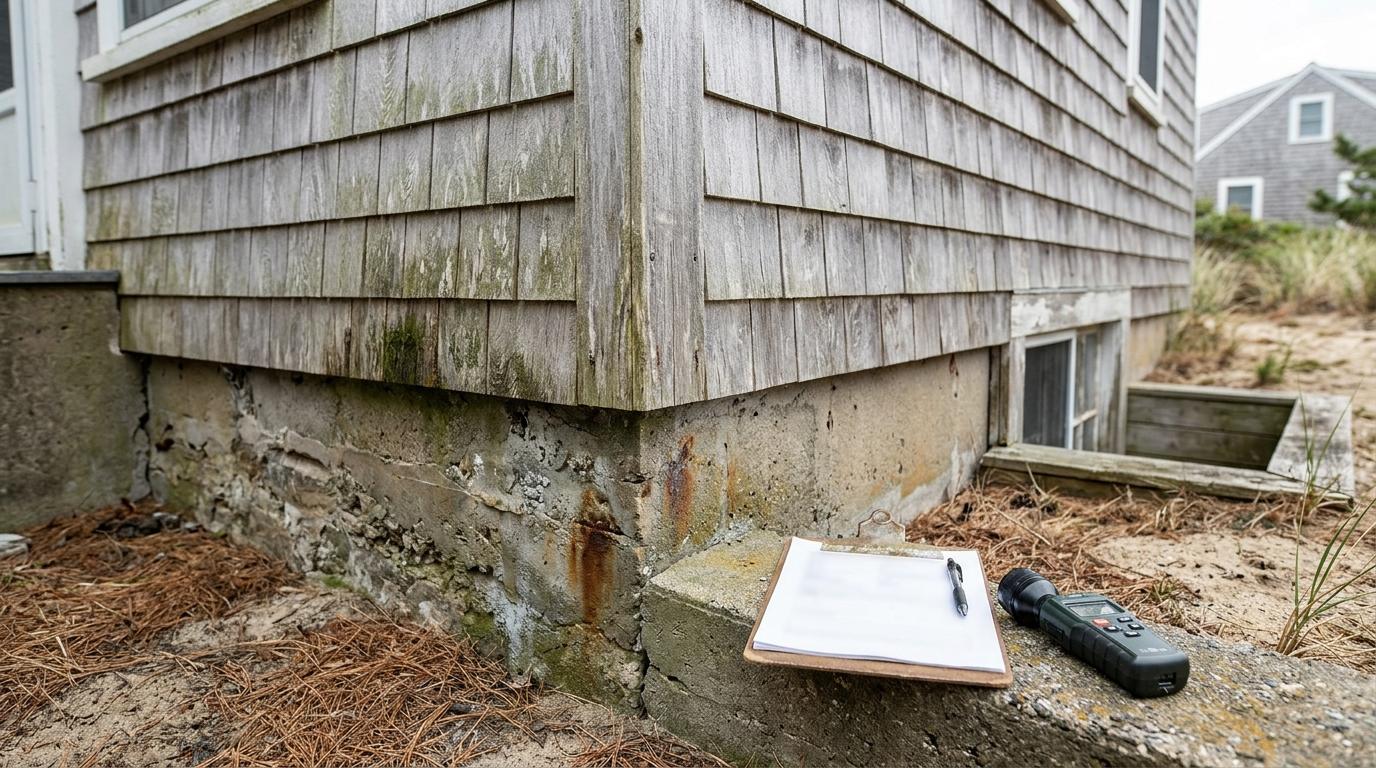
If you're house-hunting anywhere from Bourne to Provincetown, you already know the Cape doesn't look like the rest of Massachusetts. A 1940s cottage in Monument Beach, a converted summer place in Falmouth, a newer build off Route 6 in Sandwich — each one comes with its own set of quirks that a general checklist from a national website won't catch.
At SandersSystems LLC, we inspect homes across southeastern Massachusetts and Cape Cod, and we've learned that the same coastal conditions that make this area beautiful are also hard on houses. Salt-laden air, freeze-thaw cycles, sandy and boggy soils, and seasonal humidity all leave their fingerprints on a property.
This isn't a substitute for a professional inspection — it's a starting point. Use it to ask better questions, spot red flags during showings, and understand what a thorough inspection should cover when you're buying here.
Start With the Coast: Moisture, Salt, and Rot
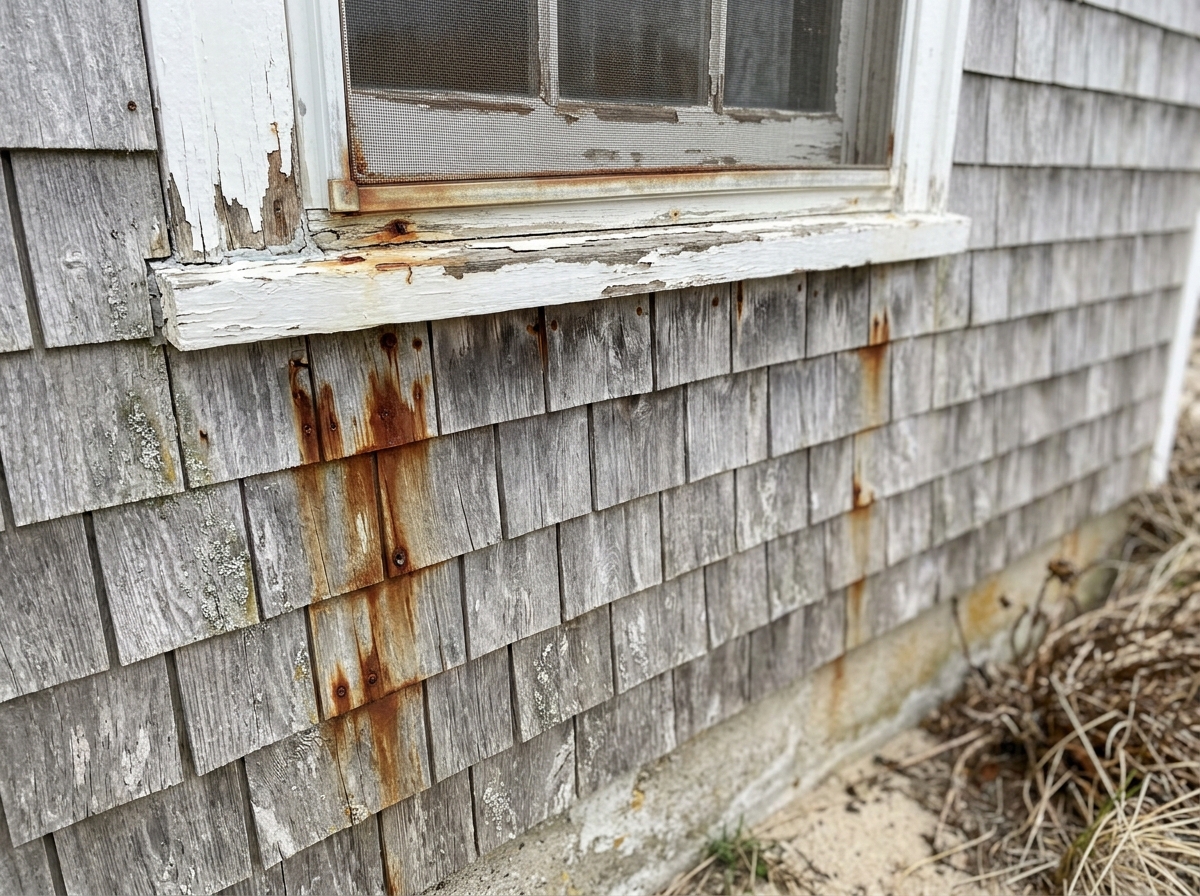
The single biggest difference between a Cape Cod home and one in, say, Worcester is moisture. Ocean air carries salt that corrodes metal fasteners, flashing, and HVAC components. Fog and humidity work their way into siding, trim, and decks.
When you walk a property, look for:
- Soft or spongy wood on deck boards, railings, and window sills — press with a key or screwdriver if the seller allows.
- Rust streaks on exterior outlets, light fixtures, or the furnace and water heater in the basement.
- Peeling or bubbling paint near the bottom of siding, which often signals trapped moisture rather than a bad paint job.
- Staining on ceilings under second-floor bathrooms or around chimneys — Cape cottages often have complicated rooflines that leak in unexpected places.
A visual inspection can identify evidence of moisture problems, but it can't see inside every wall. If we find signs of hidden water intrusion, we'll tell you plainly and suggest the right specialist to follow up.
Foundations, Crawlspaces, and Cape Cod's Sandy Soil
Much of the Cape sits on sandy outwash plains and, in some areas, near high water tables. That combination matters for foundations.
What we look for:
- Cracks in poured concrete or block foundations — some are cosmetic, some aren't. Width, direction, and displacement all matter.
- Efflorescence (white powdery deposits) on foundation walls, a common sign of water moving through masonry.
- Standing water or damp, musty smells in crawlspaces, especially after a wet spring. Many older Cape homes have shallow crawlspaces that were never designed for modern moisture control.
- Piers, posts, and sills — in older homes, check for rot where wood meets masonry.
- Grading and drainage — does the yard slope toward the house? Do downspouts discharge close to the foundation?
If you're looking at a home in Bourne, Sandwich, or anywhere near the canal, ask about flood zone designation. It affects insurance and can hint at drainage history. We'll flag what we see, but confirm flood zone status with your insurance agent and the local building department.
Roofs, Attics, and the Freeze-Thaw Cycle
Cape Cod roofs take a beating. Winter nor'easters, summer sun, and repeated freeze-thaw cycles punish shingles, flashing, and vents. Add in the architectural style — steep pitches, dormers, and complex valleys — and roof problems can hide in plain sight.
During an inspection, we look at:
- Shingle condition — curling, cracking, missing tabs, or granule loss.
- Flashing around chimneys, skylights, and where roof planes meet.
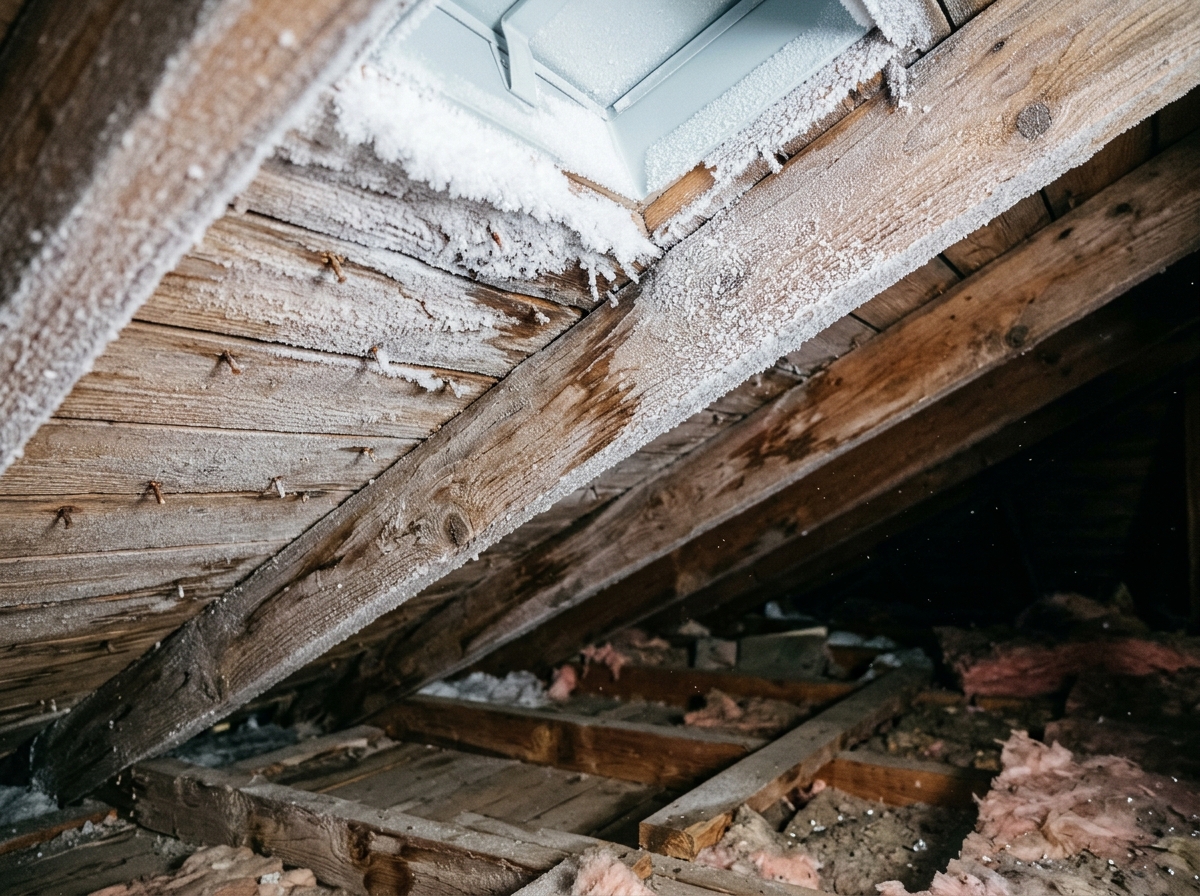
- Attic ventilation and insulation — improper ventilation traps moisture, which leads to frost on rafters in winter and mold concerns in summer.
- Signs of ice damming — staining or rot along the lower edge of the roof deck.
- Chimney condition — many Cape homes have masonry chimneys that need repointing or a new cap.
Attic access matters too. If we can't safely get into an attic or onto a roof, we'll note that limitation in the report. A home inspection is visual and non-invasive — we report what's accessible and visible, not what's hidden behind finished walls.
Systems That Age Differently Near the Water
Mechanical systems in coastal homes tend to age faster than their inland counterparts. Here's what we pay attention to:
Electrical
- Older Cape cottages sometimes still have two-prong outlets, cloth wiring, or undersized service panels. These aren't automatically deal-breakers, but they deserve a closer look by a licensed electrician.
- Aluminum branch wiring, if present, should be evaluated by a qualified electrician — we'll flag it, not diagnose it.
Plumbing
- Polybutylene or galvanized supply lines in older homes can be near the end of their service life.
- Well and septic systems are common outside the sewer districts. A standard home inspection is not a septic certification — you'll want a separate septic evaluation.
Heating and Cooling
- Coastal humidity accelerates corrosion on outdoor condenser units and furnace components.
- Many Cape homes rely on oil heat, baseboard electric, or mini-splits. Each has its own maintenance history worth asking about.
We'll note the age and visible condition of major systems, but we don't predict remaining lifespan. For anything safety-related — gas leaks, electrical hazards, radon — we recommend follow-up with the appropriate licensed professional.
What a SandersSystems Inspection Actually Covers
Every inspection is different because every house is different, but here's the general shape of what we do:
- Roof, attic, and ventilation
- Exterior: siding, trim, decks, drainage, grading
- Foundation, basement, or crawlspace
- Electrical, plumbing, and HVAC
- Interior: walls, ceilings, floors, windows, doors
- Built-in appliances and life-safety items (smoke and CO alarms)
We offer three tiers for buyers who want different levels of coverage:
- Residential Inspection — our standard full home inspection.
- Residential Inspection – Premium — adds more thorough evaluation for older or more complex properties.
- Residential Inspection – Premium Plus — our most comprehensive option, useful for historic homes, waterfront properties, or homes with significant additions.
Alan Sanders is a licensed and insured inspector and an InterNACHI® Certified Inspector. SandersSystems LLC serves Bourne, Falmouth, Sandwich, Wareham, Plymouth, and the broader southeastern Massachusetts and Cape Cod region.
One honest note: no inspection can find every issue. We inspect what's visible and accessible on the day of the inspection, and we write our reports in plain language so you know what you're buying.
Have Questions About a Cape Cod Home? Let's Talk
Buying on the Cape is a big decision, and the inspection is one of the few chances you get to see a house clearly before you commit. If you're under contract on a property in Bourne, Falmouth, Sandwich, Plymouth, or anywhere in our service area, we'd be glad to help you understand what you're buying.
If you're still early in the process — just browsing listings, wondering whether a particular cottage is worth a second look — reach out anyway. We're happy to answer questions about what a home inspection covers, which tier makes sense for your situation, or what to watch for in a specific neighborhood.
You can schedule an inspection or ask a question through SandersSystems LLC. No pressure, no sales pitch — just a straightforward conversation with a local inspector who knows this coast.