
What Buyers Should Know About 100-Year-Old Homes in Southeastern Massachusetts and Cape Cod
By Alan Sanders · November 7, 2026 · 4 min read
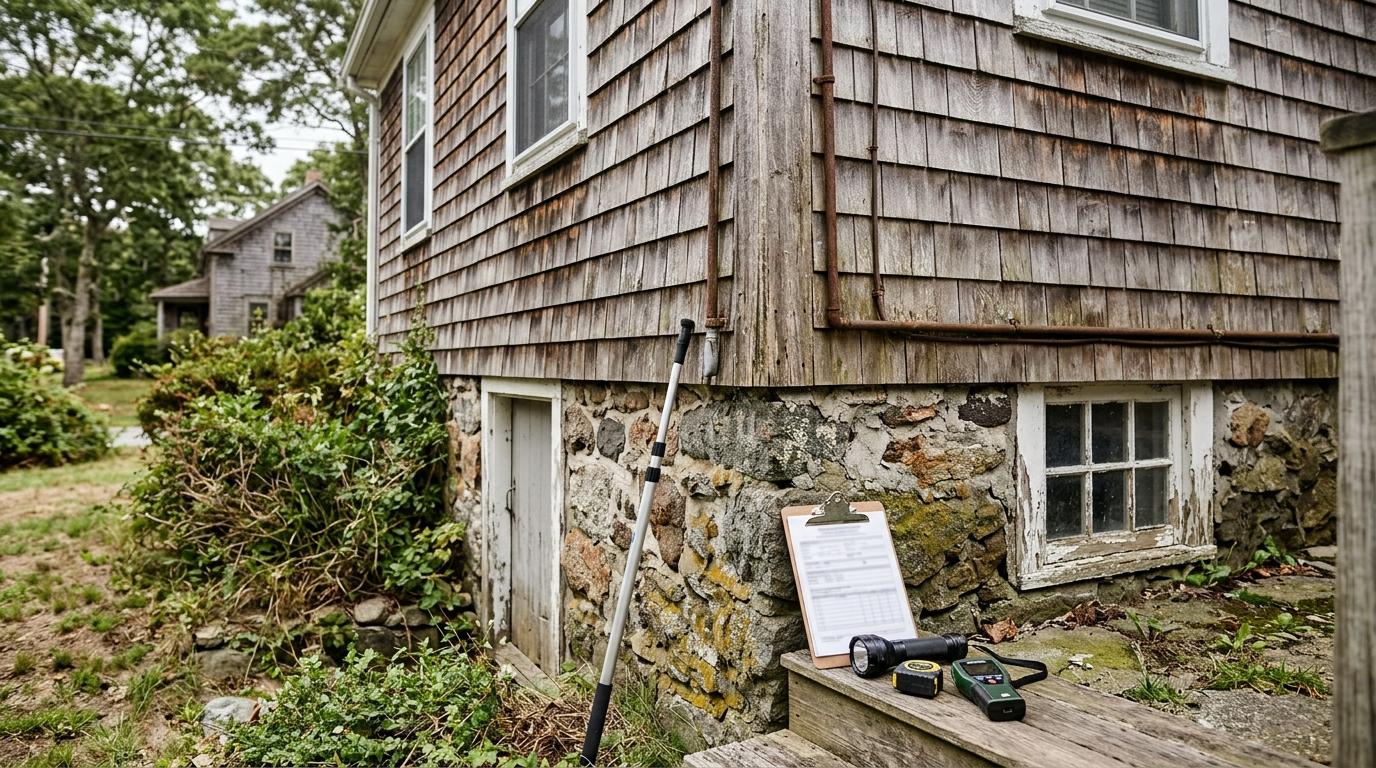
If you're house-hunting in Southeastern Massachusetts or anywhere along the Cape, you've probably walked into a home with wide-plank floors, a low-ceilinged cellar, and a story that predates the automobile. Plenty of the housing stock in southeastern Massachusetts and Cape Cod was built between 1850 and 1925 — sea captains' houses, farmhouses, and cottages that have been renovated, expanded, and rewired more than once.
Those homes can be wonderful. They can also hide surprises that a quick walkthrough won't reveal. At SandersSystems LLC, led by Alan Sanders, we inspect a lot of century-old properties across the region, and the same handful of issues tends to come up. Here's what we look at, and what you should be thinking about before you make an offer.
The Cape's Climate Is Hard on Old Houses
Coastal New England is tough on buildings. Salt air, nor'easters, freeze-thaw cycles in February, and humid summers all take a toll — and older homes were often built before modern weather barriers existed.
A few things we watch for in this climate:
- Roof and flashing wear after decades of wind-driven rain, especially on dormers and chimneys.
- Moisture in basements and crawlspaces, which is common in low-lying parts of Bourne and along the Buzzards Bay shoreline.
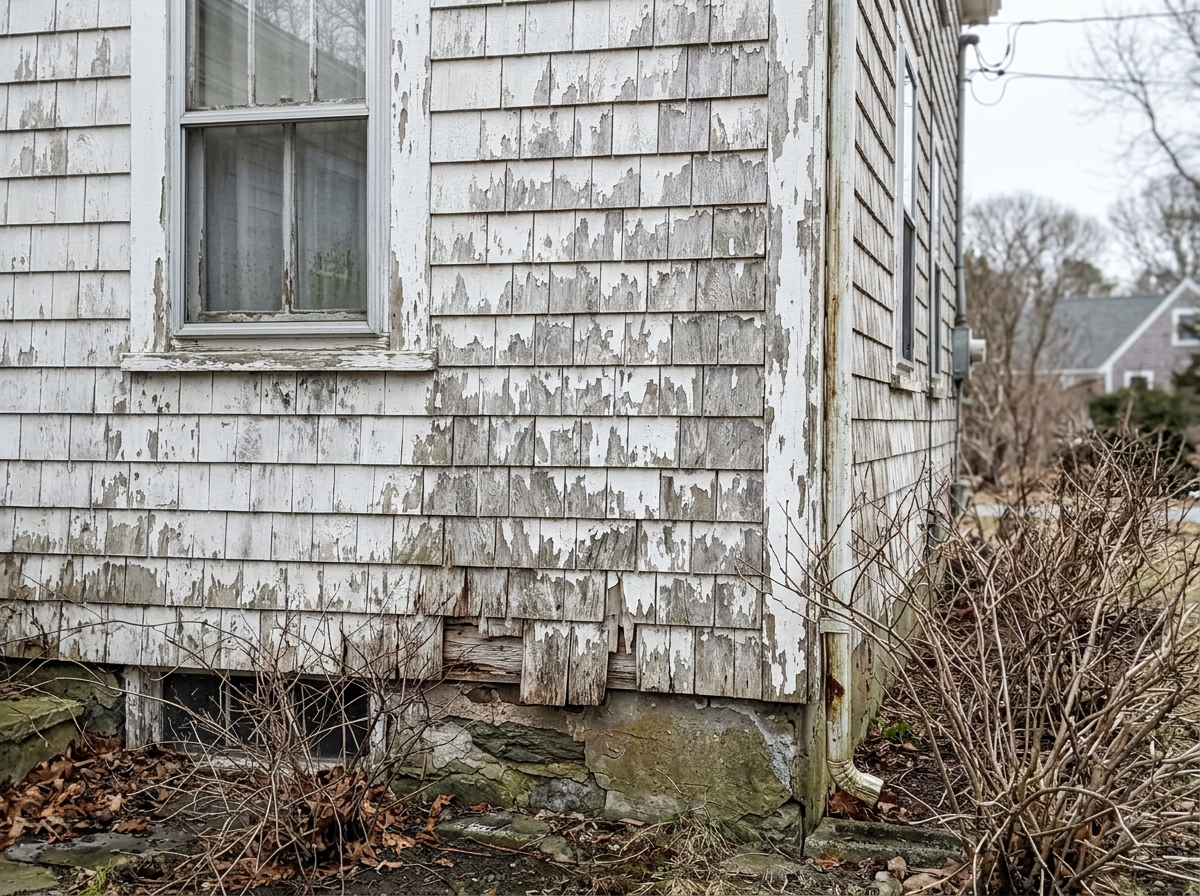
- Siding and trim rot on the north and ocean-facing sides of the house, where paint fails first.
- Ice damming in winter, which can push meltwater under old shingles and into wall cavities.
None of these are dealbreakers on their own — but they add up, and they're much easier to plan for when you know about them before closing.
Knob-and-Tube, Fuses, and Other Electrical Surprises
Many homes built before 1930 were originally wired for a few light bulbs — not for today's appliances, heat pumps, and home offices. Over the decades, that wiring has often been partially updated, which can leave a confusing mix behind the walls.
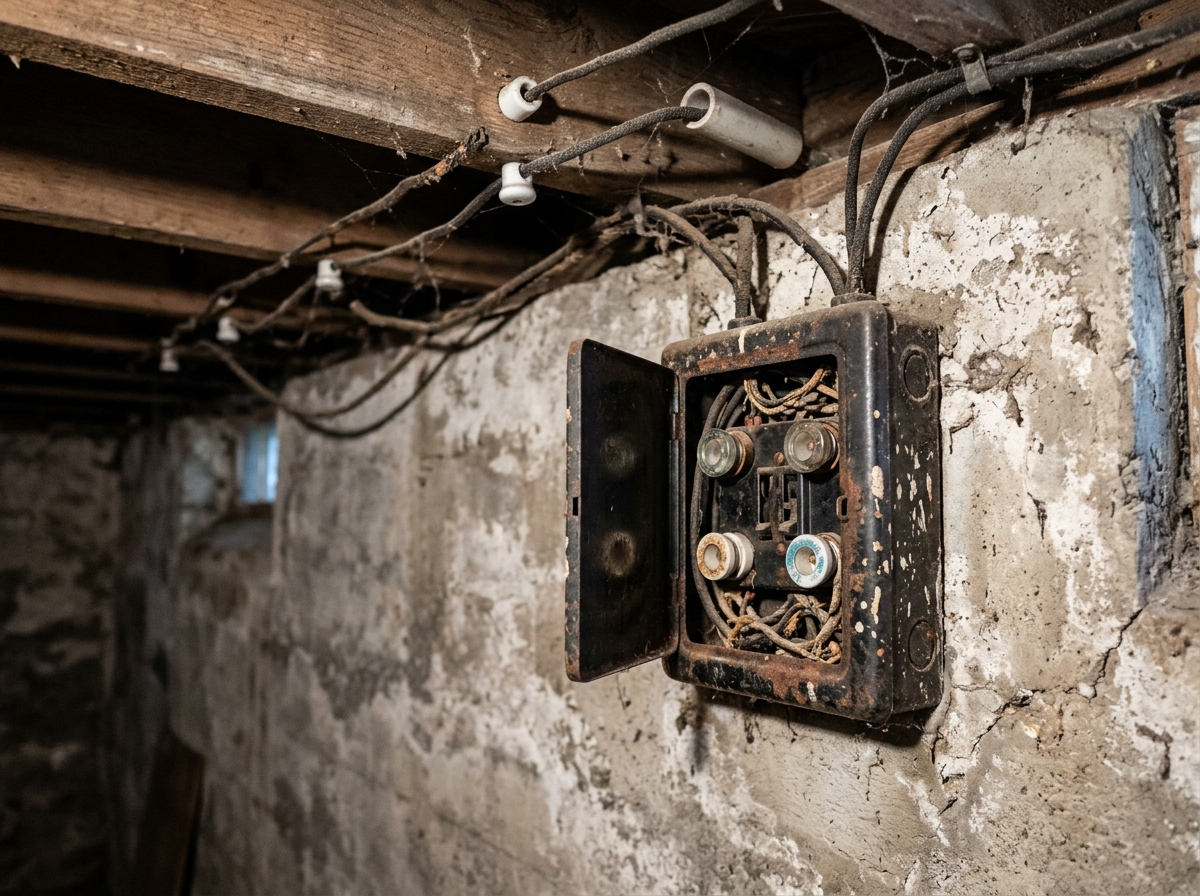
During an inspection, we look at what's visible and accessible: the service panel, the type of wiring we can see in the basement and attic, outlet and switch conditions, and signs of past DIY work. Common findings in older Cape and southeastern MA homes include:
- Knob-and-tube wiring still active in parts of the house
- Fuse boxes or undersized panels that may not support modern loads
- Ungrounded three-prong outlets
- Additions wired on separate, sometimes improvised, circuits
We don't guess at what's behind the drywall, and we don't declare anything "safe" or "unsafe" — that's not what a visual inspection does. What we can do is document what's visible and recommend that a licensed electrician evaluate anything that needs a closer look.
Structure, Additions, and the 'Handyman Special'
Century-old homes in this region have usually been added onto at least once — a back ell, a sunroom, a dormered second floor. Those additions are sometimes done well and sometimes not, and the difference often shows up in the structure.
Things we look at closely:
- Foundation type and condition — fieldstone, brick, and early poured concrete all behave differently, and all are common here.
- Sills and beam ends near the foundation, where moisture and termites tend to show up first.
- Sagging floors or roof lines that may point to settled footings or undersized framing.
- How additions meet the original house — rooflines, wall junctions, and where water tends to get in.
- Signs of past water intrusion in attics and basements, even if it's been painted over.
Structural issues aren't always serious, and serious ones aren't always obvious. A visual inspection is a snapshot in time — it can't predict the future or see inside walls — but it can flag the areas that deserve a specialist's attention.
Health and Safety Topics That Come Up Often
Older homes raise questions about materials that were common when they were built. We get asked about these constantly, so here's the short version.
- Asbestos was used in pipe insulation, floor tiles, and some siding and roofing into the 1970s. If it's intact and undisturbed, it's often not an immediate concern — but any testing or abatement should be handled by a licensed professional.
- Lead paint is likely in any home built before 1978, and very likely before 1950. This matters most for families with young children. Testing and safe renovation practices are a job for qualified contractors.
- Radon is a naturally occurring gas that can accumulate in basements and lower levels. Southeastern Massachusetts has areas where elevated levels are found. Testing is inexpensive and worth doing on any home with a basement or slab-on-grade foundation.
- Mold and moisture go hand in hand with old basements, crawlspaces, and leaky roofs. We note visible signs and conditions that encourage growth, and recommend a qualified professional when further evaluation is warranted.
We don't perform these specialty tests ourselves as part of a standard inspection, but we'll tell you when one makes sense and help you understand what the results mean for the house you're considering.
Old homes aren't a problem to be solved — they're a specific kind of property that deserves a specific kind of look. If you're buying, selling, or just trying to understand a century-old house we're glad to help.
SandersSystems LLC offers residential inspections starting at $625, with premium options for larger or more complex properties. If you have questions about a home you're considering — or you're not sure which level of inspection fits — reach out and ask. We'd rather answer a question now than have you find out the hard way later.
You can schedule an inspection or send us a note through the SandersSystems LLC website. We serve southeastern Massachusetts and Cape Cod, and we're happy to talk through what makes sense for your situation.