
Radon in Massachusetts: Why Testing Matters and How Seasons Change Your Risk
By Alan Sanders · November 8, 2026 · 6 min read
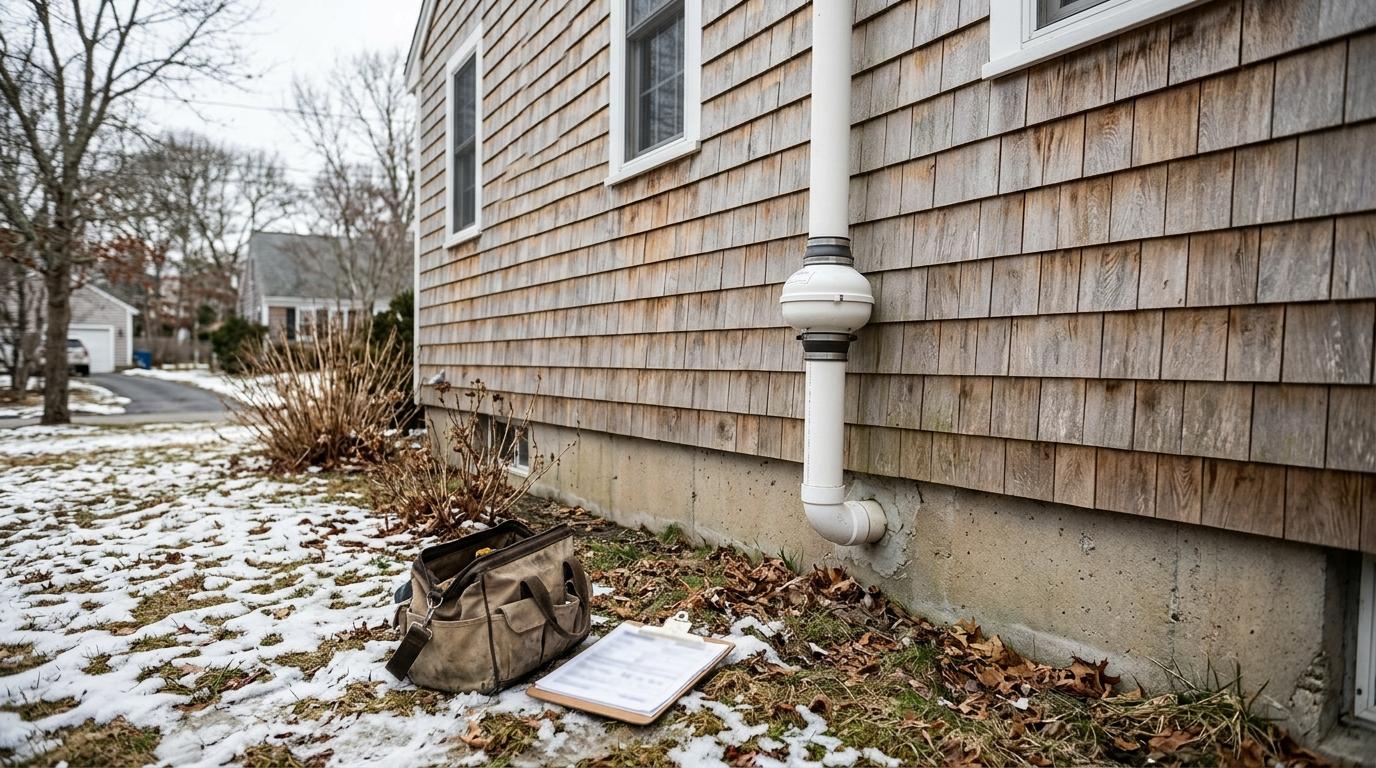
Most buyers I meet at a home locally have never thought about radon until it shows up on a real estate contingency list. Then the questions start: Is it really a problem here? Do I need to test? And why does everyone seem to test in the winter?
Radon is a naturally occurring radioactive gas produced by the breakdown of uranium in soil, rock, and water. You can't see it, smell it, or taste it. It moves up through the ground and into homes through cracks in foundations, gaps around pipes, sump pits, and even well water. Because it's invisible, the only way to know your level is to test.
The reason it matters: long-term exposure to elevated radon is linked to lung cancer, and the U.S. EPA estimates radon is the second-leading cause of lung cancer overall and the leading cause among non-smokers. That's a serious statement, so I want to be clear — I'm an inspector, not a doctor. If you have health concerns, talk to your physician. My job is to help you understand your home and recommend the right next step, which is usually a professional radon test.
Why Radon Deserves Attention on the South Shore and Cape
People sometimes assume radon is a Rocky Mountain problem, not a coastal Massachusetts one. That's a mistake. Radon can be elevated anywhere soils and bedrock contain uranium, and that includes plenty of ground across Plymouth County, Barnstable County, and the South Coast.
Our local housing stock makes this more relevant, not less:
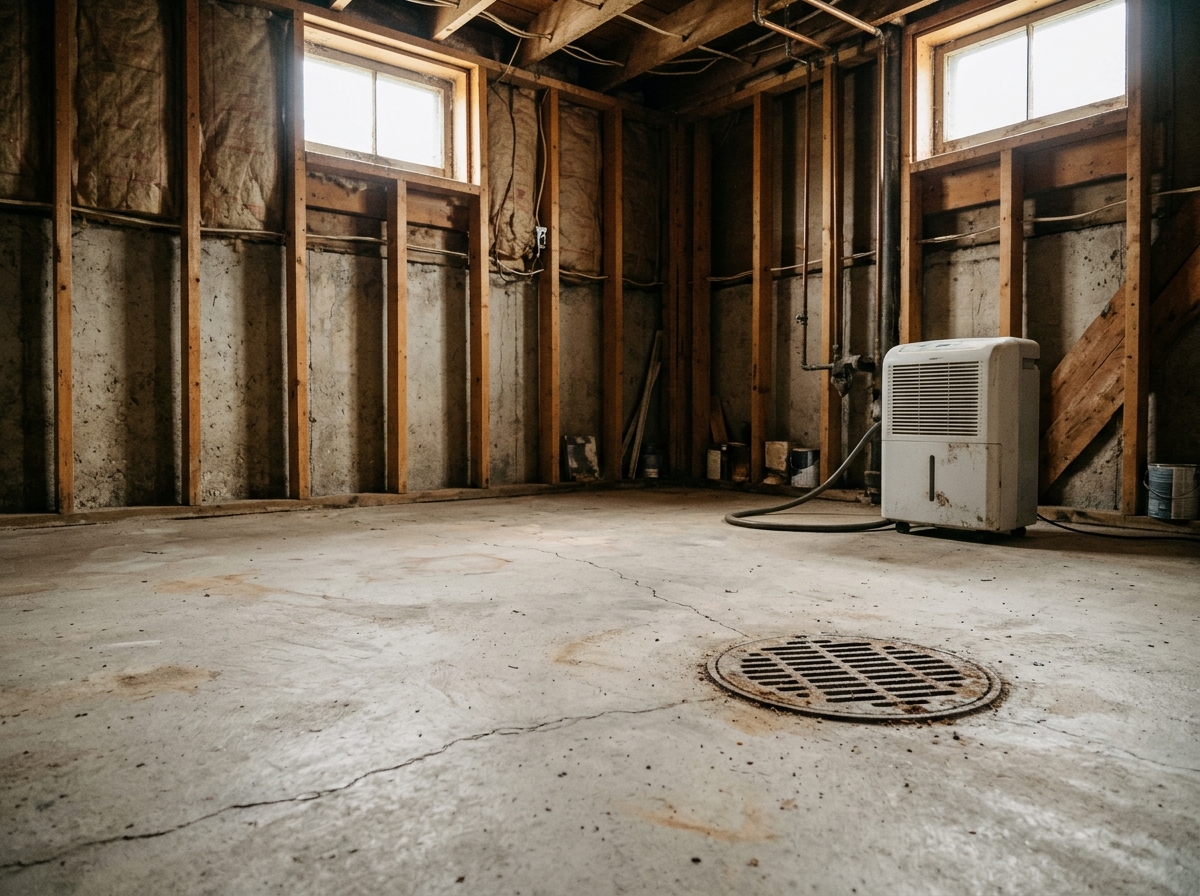
- Older basements and fieldstone foundations. Plenty of homes in this region have full basements with stone or block walls, original floor drains, and older slab penetrations. Those are natural entry points for soil gas.
- Slab-on-grade and crawlspace construction. A lot of mid-century Cape homes sit on slabs or shallow crawlspaces, which can allow soil gas to migrate directly into living space.
- Tight, modern construction. Newer, well-sealed homes in the South Shore and South Coast are energy-efficient, but they also trap soil gas indoors instead of letting it dilute through leaks.
- Well water. Homes on private wells — common in parts of Plymouth, Carver, and the outer Cape — can also introduce radon through water use, though the bigger concern is usually the soil gas beneath the house.
The takeaway: you can't predict radon by neighborhood, home age, or how the house smells. Two identical houses side by side can have very different readings. Testing is the only way to know.
How Radon Testing Actually Works
There are two common approaches, and they serve different purposes.
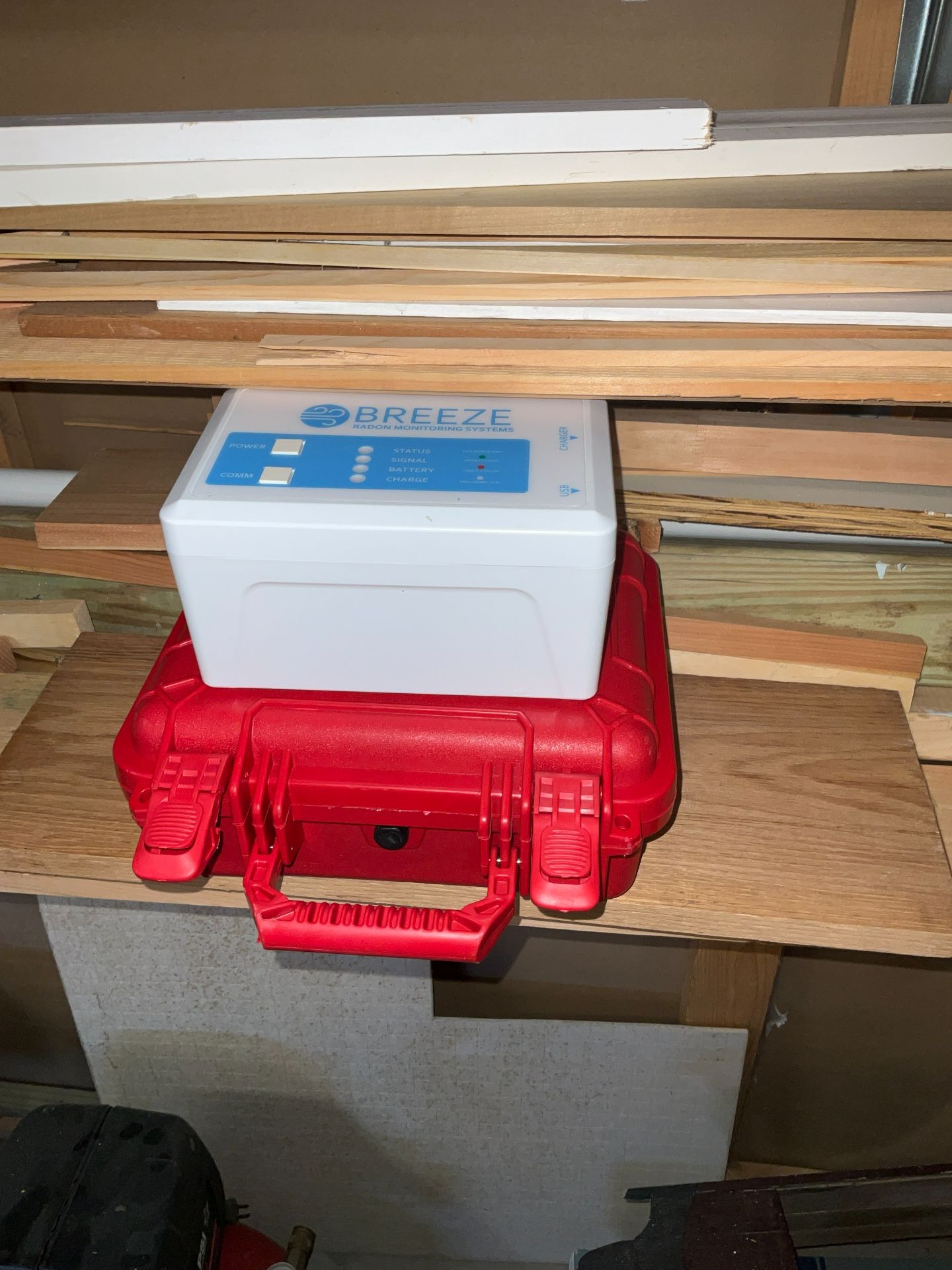
Short-term tests run for 2 days. The most common are charcoal canisters or electronic continuous monitors. They're fast, inexpensive, and useful for a real estate transaction or a quick check. The catch is that radon levels fluctuate day to day, so a short test is a snapshot, not a full picture.
Long-term tests run for more than 90 days, often six months to a year. They average out the swings and give you a much more reliable number to base decisions on. However the cost of actually testing for this length of time with an expensive continuous monitor would likely end up as more expensive than actually installing a radon mitigation system.
A few practical rules that make or break a test:
- Closed-house conditions. For a short-term test, windows and doors stay closed (except for normal entry and exit) for at least 12 hours before and throughout the test. That's why winter testing is so common — the house is already closed up.
- Placement matters. The test device belongs in the lowest livable level of the home, not the kitchen counter or a bedroom closet. The definition used by the EPA is 'habitable' This in actuality means the basement as numerous such areas are converted to living space.
- Don't disturb it. No fans blowing on the device, no moving it mid-test, and no running a whole-house fan.
If you'd rather not manage it yourself, a qualified radon measurement professional can place and retrieve the device and handle the chain of custody. When I'm inspecting a home for a buyer, I'm happy to point out the right location and explain what the test will and won't tell you.
This is an image of one of my Continuous Monitor Radon Testing machines.
Do Radon Levels Change With the Seasons?
Yes — and this is the part most homeowners never hear about.
Radon levels in a home aren't a fixed number. They rise and fall with weather, soil moisture, and how the house is being used. The general pattern in our region looks like this:
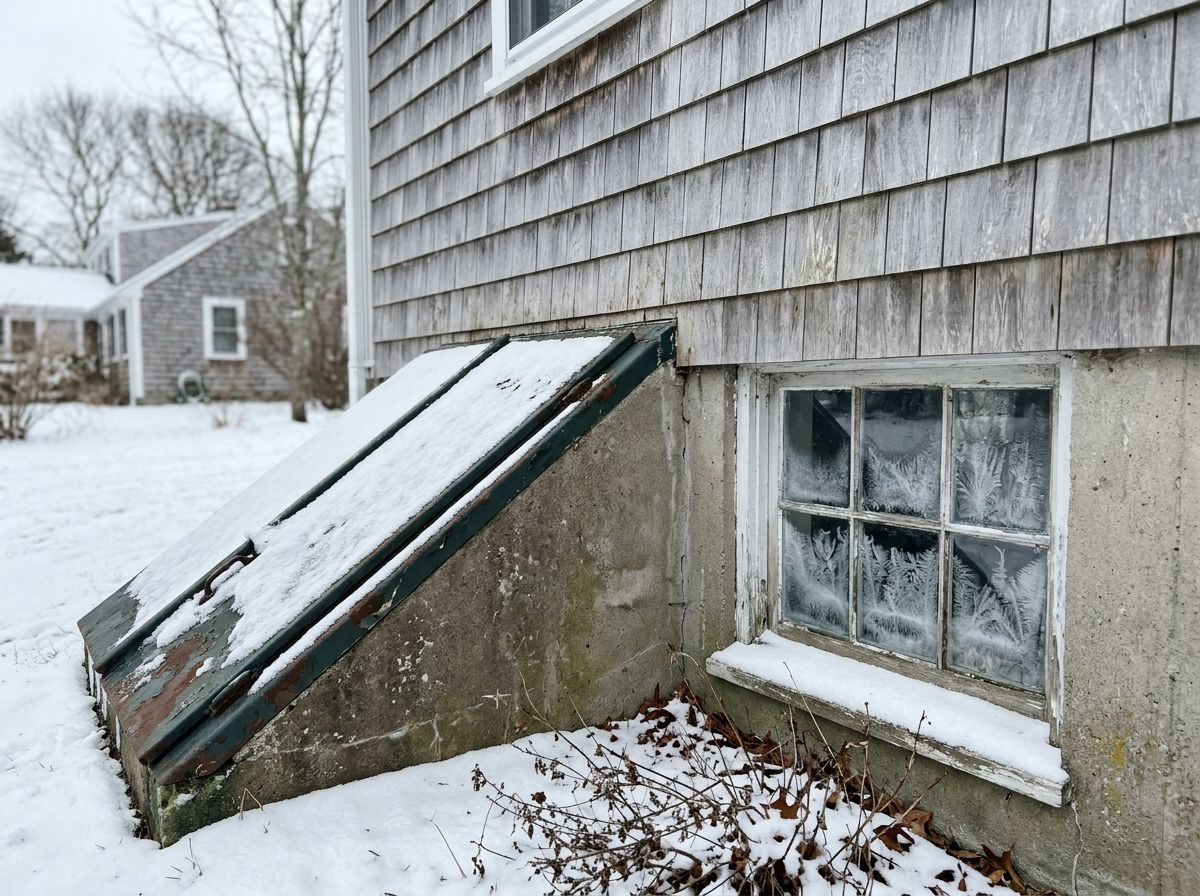
- Winter tends to run highest. Windows and doors stay shut, the furnace runs, and the stack effect pulls soil gas upward through the house. Frozen or saturated ground can also push gas toward the foundation rather than letting it vent through the soil.
- Summer tends to run lower. Windows are open, natural ventilation dilutes indoor air, and the temperature difference between inside and outside is smaller, so there's less upward pull.
- Shoulder seasons are unpredictable. A wet nor'easter in October or a warm stretch in March can swing readings in either direction.
So what does that mean for you? A test in July might read lower than the same house would in January. That's one reason a long-term test is so valuable — it captures the full seasonal range instead of one moment.
It also means a single low reading isn't a permanent all-clear. If you've never tested, or it's been years, or you've done major work — a basement remodel, a new addition, air sealing, a new heating system — it's worth retesting. And if you're buying or selling a home in Bourne, Falmouth, or anywhere along the South Shore or South Coast, testing during the winter months often gives you the most conservative and useful picture.
What to Do If Your Result Comes Back Elevated
First, don't panic. An elevated reading is a fixable problem, not a reason to walk away from a house.
The U.S. EPA recommends taking action when a long-term test averages 4 picocuries per liter (pCi/L) or higher, and it suggests considering action between 2 and 4 pCi/L. Every home is different, so the right call depends on your number, your test conditions, and your comfort level.
The usual next step is a radon mitigation system — typically a vent pipe and fan that draws soil gas from beneath the foundation and discharges it safely above the roofline. A qualified radon mitigation contractor designs and installs these, and the system is normally verified with a post-mitigation test. In some cases, sealing foundation cracks and improving drainage helps, but sealing alone usually isn't enough.
A few things I'd tell any homeowner in our area:
- Get a second opinion on the number, not just the fix. Short-term tests can be skewed by weather or test conditions. A follow-up long-term test confirms what you're actually living with.
- Use a licensed or certified mitigation professional. Ask about their credentials, warranty, and whether they'll retest after installation.
- Retest every couple of years. Systems can lose efficiency, and homes change.
If you're buying, this is exactly the kind of item that belongs in your inspection contingency conversation. I'll walk you through what I see, what's worth testing, and what questions to ask before you close.
With most radon mitigation systems costing less than $2000, be careful not to test past what simply putting in a system would be.
Let's Talk About Your Home
Radon isn't something you can eyeball during a walkthrough, and it isn't something a standard visual inspection can measure. It takes a deliberate test, placed correctly, under the right conditions — and that's a conversation worth having before you buy, sell, or settle into a home for the long haul.
At SandersSystems LLC, I inspect homes across Bourne, the South Shore, Cape Cod, and the South Coast. My residential inspections start at $625, and I offer premium and premium-plus options for buyers who want a more thorough look. I'm a licensed and insured, InterNACHI® Certified Inspector, and I'm happy to answer questions about radon, testing timing, or anything else that comes up — no pressure, no sales pitch.
If you're not sure whether your home has ever been tested, or you want help figuring out the right time of year to test, reach out. I'd rather you ask the question now than wonder about it later.