
Replace Your 100-Year-Old Windows or Upgrade Them? A Cape Cod Homeowner's Guide
By Alan Sanders · November 7, 2026 · 5 min read
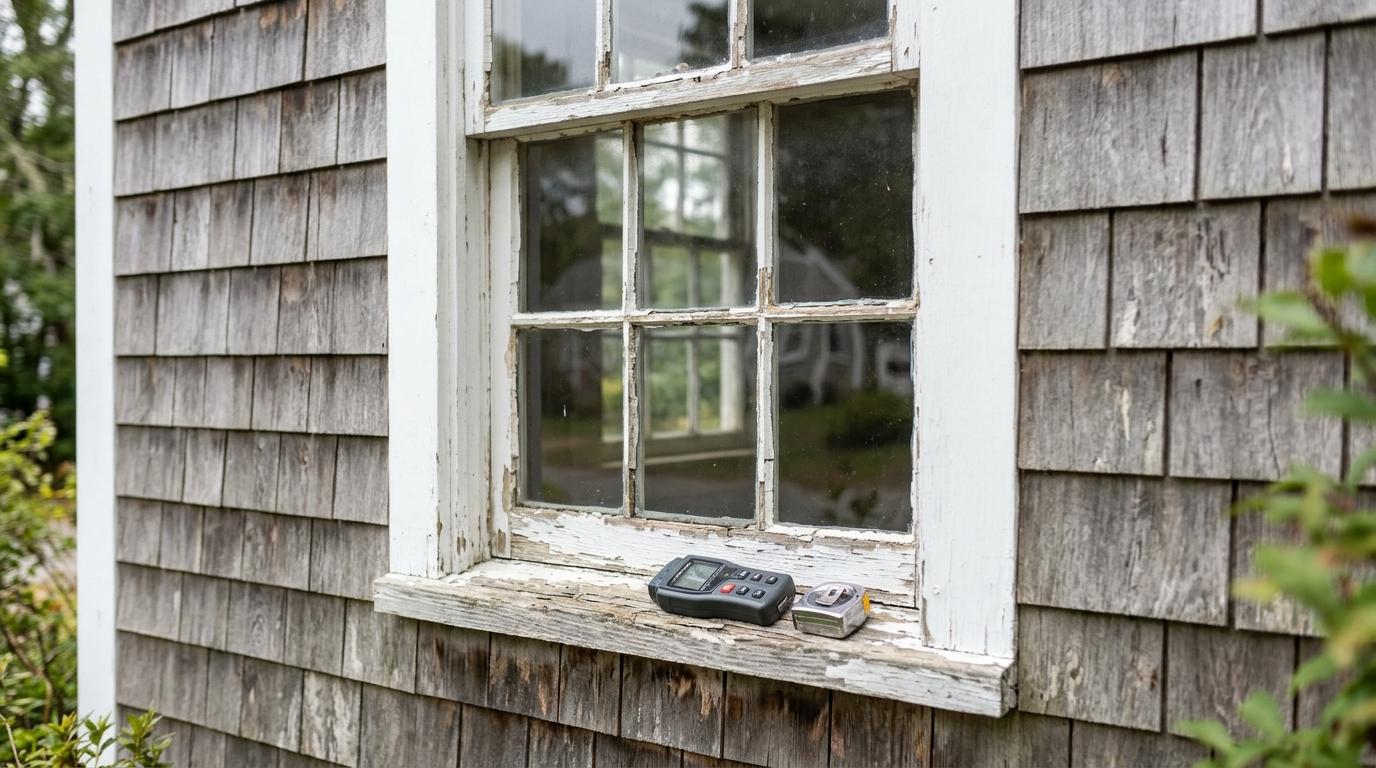
If you own a home in Bourne, Falmouth, Sandwich, or anywhere along the Cape, you've felt it: that cold draft rolling off a single-pane window in February, or the way a northeast storm seems to push right through the glass. In a lot of the older housing stock around here — Capes, colonials, and cottages built between the 1890s and the 1950s — those original wood windows have been part of the house for a century or more.
So the question comes up constantly during inspections: should I replace my 100-year-old windows, or can I make them work? There isn't one right answer. It depends on the condition of the windows, the condition of the house around them, and what you're actually trying to solve. Let's break it down the way I'd walk through it with you on site.
First, Understand What You Actually Have
Not all "old windows" are the same, and the difference matters.
- Original single-pane wood sash with storms. Common in pre-war Cape homes. The window itself is thin, but a good exterior storm window creates an air pocket that performs surprisingly well.
- Double-hung wood windows with weights and pulleys. These can often be repaired — re-glazed, re-roped, weather-stripped — rather than replaced.
- Aluminum or vinyl replacements from the 1970s–1990s. These are often the worst of both worlds: past their service life, hard to repair, and not especially efficient.
- True divided-light windows. These have real character, and many homeowners in historic districts around Bourne and Sandwich want to keep them.
During a residential inspection, I look at how the sash operates, whether the glazing putty is failing, whether there's rot at the sill or frame, and whether the surrounding trim and wall are letting water in. A window that looks bad from the inside is sometimes just a weather-stripping and paint problem — not a replacement problem.
The Case for Repairing and Upgrading What You Have
If your windows are original wood and structurally sound, there's a strong argument for keeping them.
Repair and weatherize. Re-glazing, new weather-stripping, sash adjustment, and adding or repairing storm windows can meaningfully cut drafts and air infiltration. This is often the lowest-cost path, and it preserves the character that makes older Cape homes desirable.
Storm windows do real work. A well-fitted exterior storm window on a single-pane sash creates a dead-air space that reduces heat loss and condensation. On many Bourne-area homes, this alone changes how a room feels in January.
Old-growth wood is durable. A lot of the lumber in these windows is denser and more rot-resistant than what you'll find in modern replacements. If the frames are solid, you're not throwing away bad material — you're maintaining good material.
Historic character has value. In neighborhoods with architectural review or historic-district considerations, keeping original windows can matter for both aesthetics and resale. (Check with your local building department before changing window styles — that's a code and permitting question, not an inspection one.)
The Case for Full Replacement
Sometimes replacement is the honest answer.
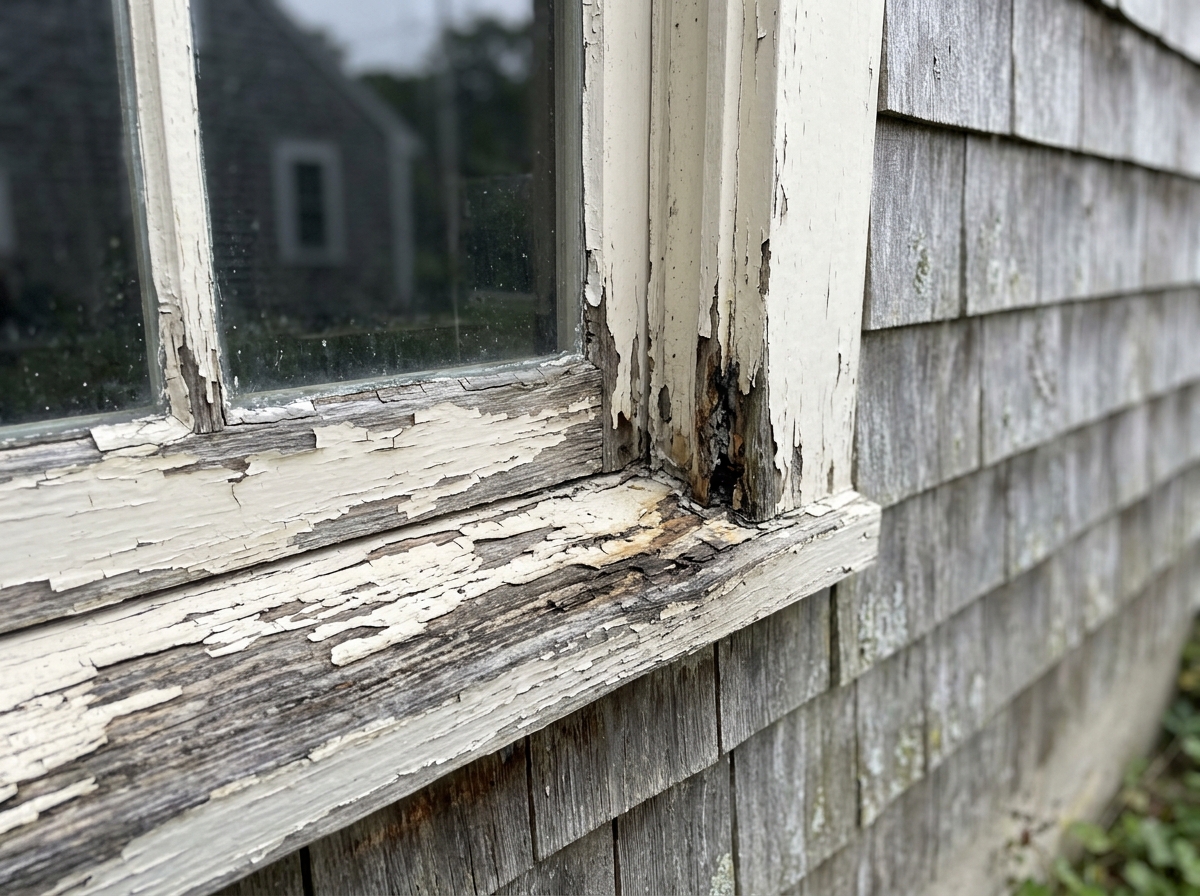
- Rotted frames and sills. If water has been getting in for years, the wood around the window may be soft. At that point you're not just replacing glass — you're rebuilding the opening.
- Operability and safety. Windows that won't open, are painted shut, or have broken sash cords are a problem for ventilation and, in some cases, emergency egress. Egress is a life-safety issue — if you have concerns, have it evaluated by a qualified professional.
- Comfort you can't fix. If a room is unusable in winter no matter how much you weatherize, replacement may be the practical move.
- Lead paint considerations. Homes built before 1978 may have lead-based paint on window components, and friction surfaces like windows are a common source of lead dust. Disturbing painted surfaces during repair or replacement can create a hazard. This is a health matter — consult a licensed lead-abatement or renovation professional and follow EPA guidance rather than taking it on casually.
One caution: replacement windows are not automatically a big energy win. A poorly installed replacement can underperform a well-maintained original with a good storm window. Installation quality matters as much as the product.
How This Plays Out in SE Massachusetts and on the Cape
Our climate is the whole reason this decision feels urgent. We get cold, windy winters with nor'easters, humid summers, and salt air near the coast. That combination is hard on windows.
- Coastal salt exposure accelerates corrosion on hardware, hinges, and aluminum frames. Homes near the water in and along the Cape often see hardware fail before the glass does.
- Freeze-thaw cycles work on exterior trim and glazing putty. Small gaps let water in, water freezes, and the opening gets bigger each season.
- Humidity and condensation show up as fogged glass, peeling paint, and eventually rot at the sill — which is exactly where I look during an inspection.
If you're buying an older home in this area, window condition is one of the things that shapes your repair budget. If you're selling, it's one of the things buyers notice first. Either way, knowing the real condition — not just how the windows look — is what lets you make a sound decision.
A Practical Way to Decide
Here's the sequence I'd suggest for any homeowner in our area:
- Get the condition assessed first. Before you spend money on either path, find out what's actually wrong: rot, failed glazing, air leaks, moisture intrusion, or just cosmetics.
- Separate comfort problems from structural problems. Drafty is one thing. Rotted is another. They lead to different decisions.
- Price both paths honestly. Repair plus weatherization versus full replacement, including installation quality. Don't compare a cheap replacement quote to a full restoration — compare like to like.
- Check local requirements. Historic districts, permits, and lead-safe work practices may shape what you can do. That's a question for your building department and qualified contractors.
- Think about the whole envelope. Windows are one part of a system that includes insulation, air sealing, and ventilation. Replacing windows while ignoring an under-insulated attic or a leaky basement often misses the bigger picture.
A home inspection is a visual, limited evaluation — it won't tell you exactly how much energy you'll save or what a contractor will charge. What it can do is give you a clear, unbiased picture of the condition of the windows and the house around them, so you're making the decision with facts instead of guesswork.
Questions About Your Windows? Let's Take a Look
Whether you're buying an older home in Bourne, maintaining one in Sandwich or Falmouth, or getting a Cape property ready to sell, window condition is worth understanding before you commit to a plan. At SandersSystems LLC, Alan Sanders inspects homes throughout southeastern Massachusetts and Cape Cod, and we're glad to walk you through what we find — including the things that matter beyond the glass, like moisture, rot, and how the whole house is performing.
We offer residential inspections starting at $625, with premium options for buyers who want a more thorough look. If you have questions about your windows or want to schedule an inspection, reach out. No pressure, no sales pitch — just a straight answer about what's going on with your home.